A nurse is caring for a hospitalized client recently diagnosed with cancer. The client states, “I’m afraid my life will never be the same again.”
Which response by the nurse best demonstrates effective therapeutic communication?
A nurse is caring for a hospitalized client recently diagnosed with cancer. The client states, “I’m afraid my life will never be the same again.”
Which response by the nurse best demonstrates effective therapeutic communication?
A. “What specifically about your life are you most concerned will change?”
[81%]
B. “Would you like me to contact the hospital chaplain or support group for you?”
[9%]
C. “These feelings usually improve once treatment begins and you know what to expect.”
[4%]
D. “I can review your treatment plan again if that would help reduce your anxiety.”
[5%]
Statistics
Subject/Lesson
Subject
Mental Health
Lesson
Mental Health
Client Need
Test Plan
Psychosocial Integrity
Related Topic
Therapeutic Communication
Item Type
Item Type
Application
Explanation
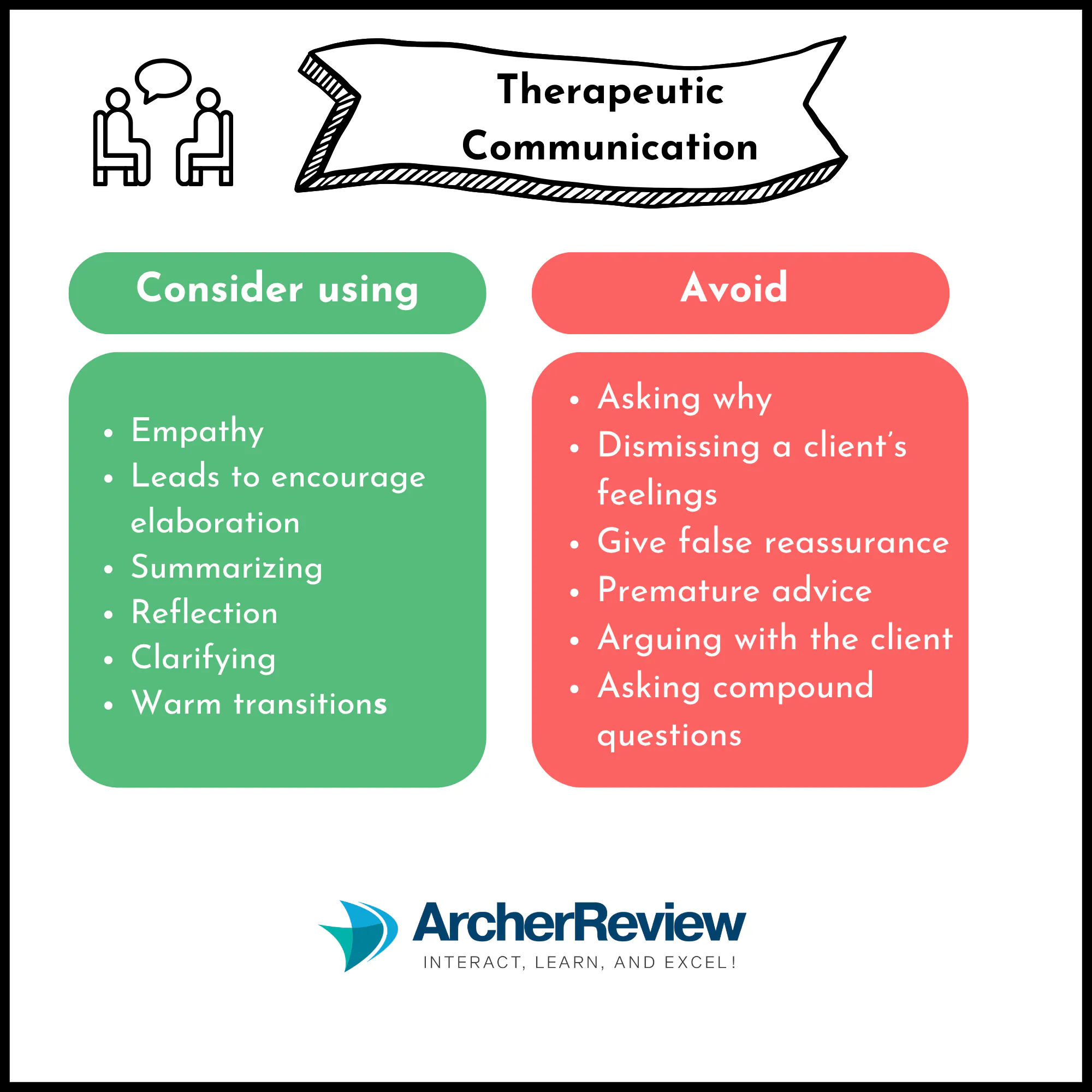
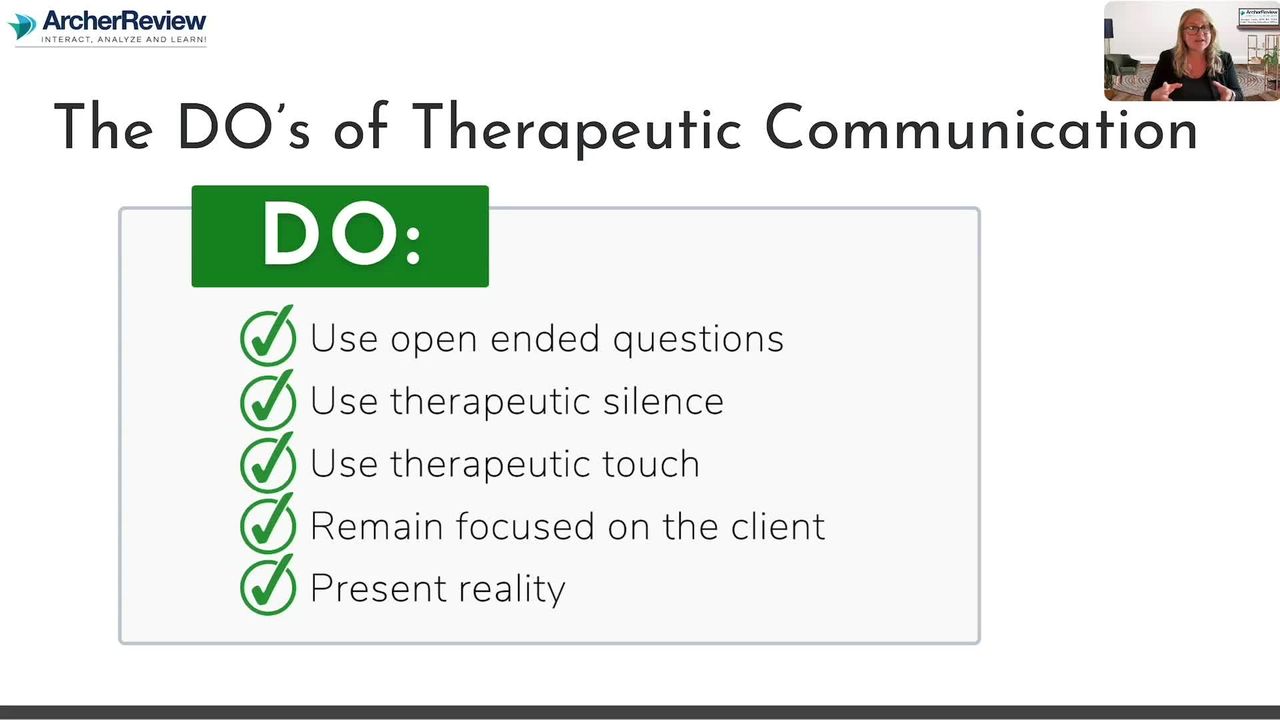
Choice A is correct. This response demonstrates therapeutic communication by using an open-ended question that invites the client to share more about their fears. It reflects empathy and facilitates exploration of emotional concerns.
Choice B is incorrect. Although offering support services is appropriate, it is premature in this context. The nurse should first assess the client's specific concerns before suggesting interventions. This response skips the critical exploratory phase of therapeutic communication.
Choice C is incorrect. This response provides false reassurance and unintentionally invalidates the client's experience. It implies that the client's emotional distress will resolve on its own, which discourages further sharing and is nontherapeutic.
Choice D is incorrect. While offering information can reduce anxiety, this response redirects the focus to the treatment plan rather than exploring the client's emotional statement. It does not acknowledge or validate the client's feelings and therefore lacks therapeutic effectiveness in this moment.
Learning Objective
Apply therapeutic communication techniques to explore and support a client’s emotional response to a new diagnosis.
Related Videos
2 Key Topics
Therapeutic communication
13.3 Therapeutic Communication & Environment
Additional Info