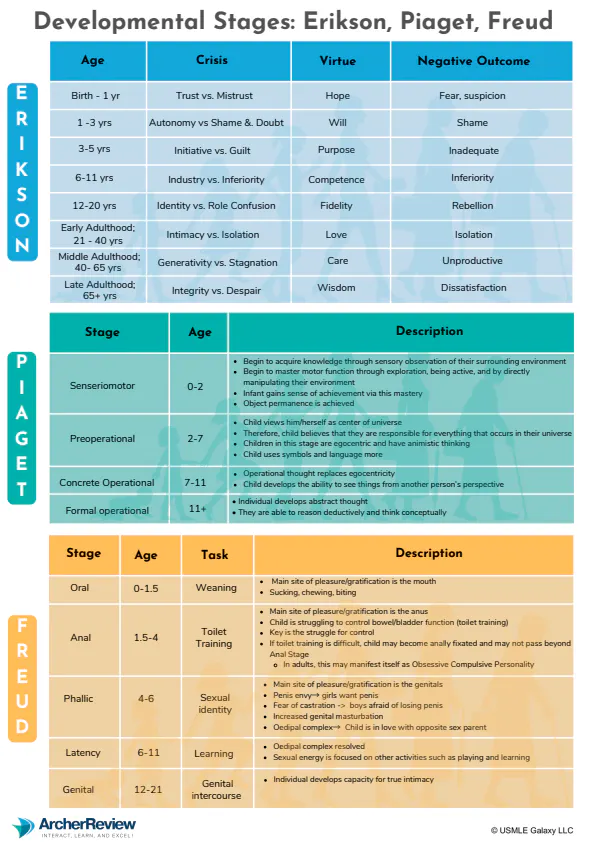
A nurse is caring for a client who recently experienced a significant role change due to retirement. Which action would appropriately support this client during this transition?
A nurse is caring for a client who recently experienced a significant role change due to retirement. Which action would appropriately support this client during this transition?
A. Providing the client with resources to explore community-based support groups for retirees.
[96%]
B. Advising the client to focus solely on reminiscing about past career achievements.
[2%]
C. Scheduling family visits without consulting the client's preferences.
[1%]
D. Encouraging the client to avoid discussing retirement to prevent emotional distress.
[1%]
Statistics
Subject/Lesson
Subject
Mental Health
Lesson
Mental Health
Client Need
Test Plan
Psychosocial Integrity
Related Topic
Support Systems
Item Type
Item Type
Application
Explanation
Choice A is correct. Transitioning from a significant role such as employment to retirement can have profound psychosocial implications. Providing the client with resources to explore community-based support groups for retirees demonstrates an understanding of the importance of social connections and support during this transition period.
Choice B is incorrect. Advising the client to solely focus on reminiscing about past career achievements may hinder their ability to adapt to their new role and may contribute to feelings of loss or stagnation. While reflecting on past accomplishments can be valuable, it's essential to encourage the client to explore new interests and opportunities to promote personal growth and fulfillment during retirement.
Choice C is incorrect. Scheduling family visits without consulting the client's preferences does not promote autonomy or individualized care.
Choice D is incorrect. Encouraging the client to avoid discussing retirement may prevent the opportunity for emotional processing and support. Open communication about retirement can help the client express their feelings, fears, and aspirations, leading to a greater sense of understanding and coping during this transition period.
Additional Info
✓ Collaborate with other healthcare professionals, such as social workers or psychologists, to provide comprehensive support to the client. This interdisciplinary approach can address the multifaceted aspects of the retirement transition.
✓ Validate the client's feelings about retirement, which may include a range of emotions such as excitement, apprehension, or sadness. Acknowledge that these feelings are normal and provide a safe space for the client to express themselves.
✓ Encourage the client to prioritize self-care and wellness activities, such as regular exercise, healthy eating, and stress management techniques. Physical well-being can positively impact mental and emotional health during the retirement transition.