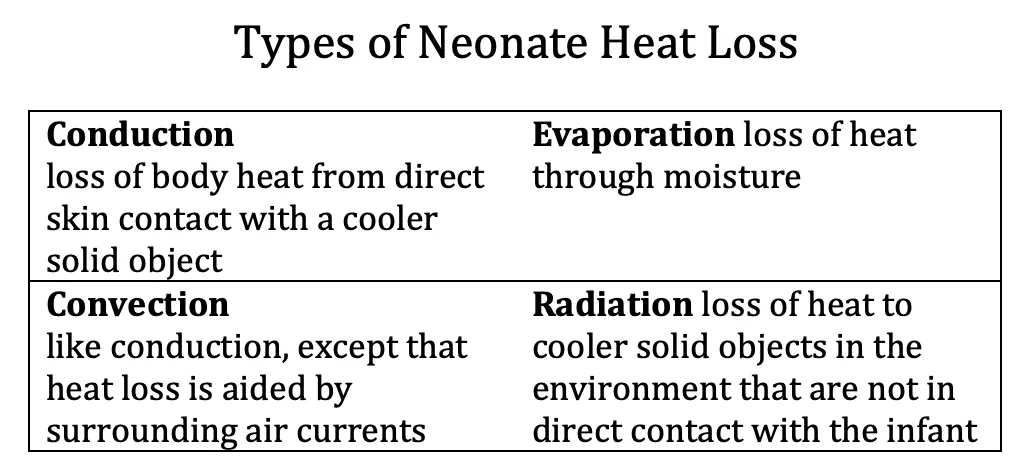
The nurse is caring for a neonate experiencing cold stress. The nurse should also assess the neonate for
The nurse is caring for a neonate experiencing cold stress. The nurse should also assess the neonate for
A. hyperglycemia.
[7%]
B. increased muscle tone.
[5%]
C. hypoglycemia.
[83%]
D. metabolic alkalosis.
[4%]
Statistics
Subject/Lesson
Subject
Maternal & Newborn Health
Lesson
Newborn
Client Need
Test Plan
Reduction of Risk Potential
Related Topic
Potential for Complications from Surgical Procedures and Health Alterations
Item Type
Item Type
Analysis
Explanation
Choice C is correct. When a neonate develops cold stress, norepinephrine is released, causing tachycardia, which causes an increase in glucose metabolism. This increase in glucose metabolism depletes the neonate's reserve of glucose. If a neonate is experiencing cold stress, the nurse should warm the neonate by applying warm clothes, removing the neonate from any drafts, and ensuring the neonate is dry. The nurse should assess the neonate for hypoglycemia via heel stick once the neonate's temperature stabilizes.
Choice A is incorrect. This is not a typical concern with cold stress. Instead, hypoglycemia is more common due to increased metabolic demands.
Choice B is incorrect. Increased muscle tone is not typically associated with cold stress in a neonate. Cold stress can lead to a decrease in muscle tone.
Choice D is incorrect. Metabolic alkalosis is not a direct result of cold stress. Cold stress is more likely to lead to metabolic acidosis due to increased anaerobic metabolism when trying to generate heat.
Additional Info