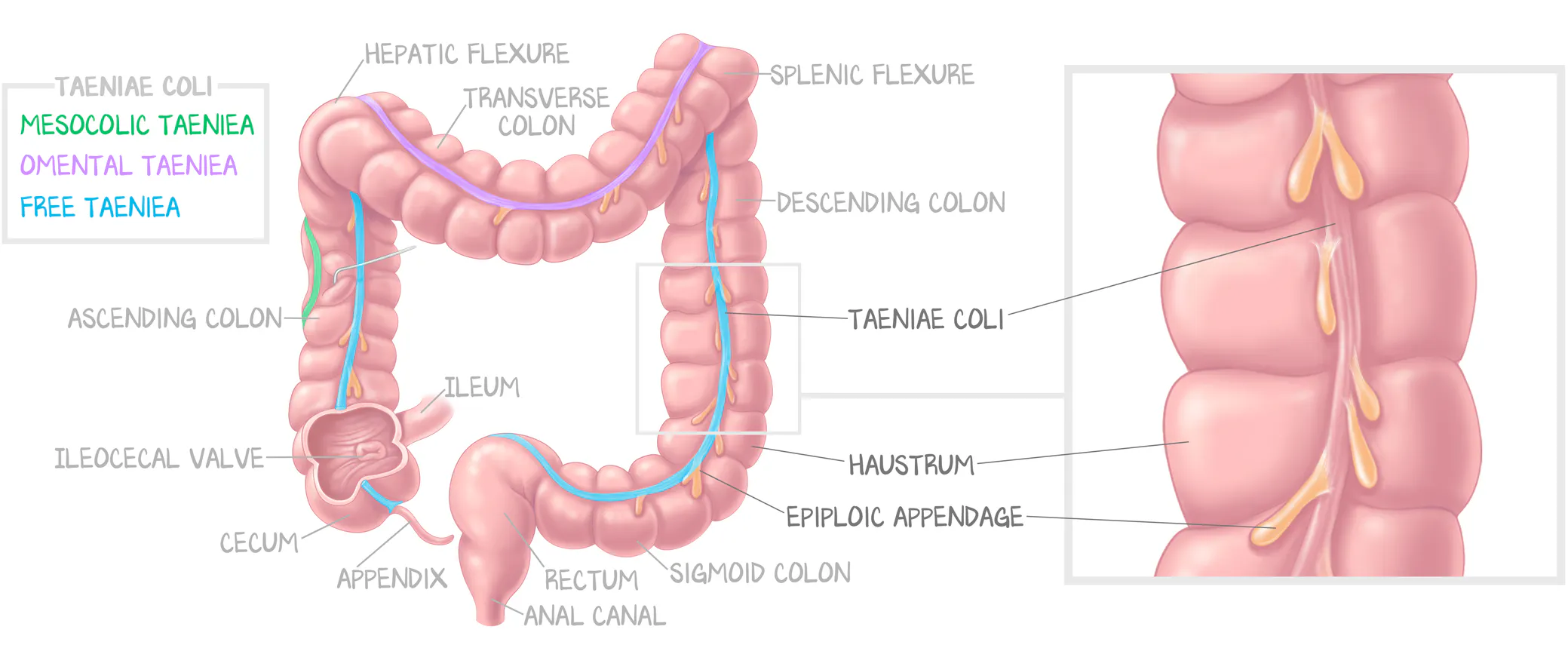
The nurse is teaching a client who is pregnant about interventions that may lessen constipation. Which of the following interventions are appropriate to recommend?
The nurse is teaching a client who is pregnant about interventions that may lessen constipation. Which of the following interventions are appropriate to recommend?
A. Increasing the consumption of fruits and vegetables
[93%]
B. Taking a mild over-the-counter laxative
[5%]
C. Lying flat on the back when sleeping
[0%]
D. Reduce the consumption of iron by at least ½
[1%]
Statistics
Subject/Lesson
Subject
Maternal & Newborn Health
Lesson
Antepartum
Client Need
Test Plan
Health Promotion and Maintenance
Related Topic
Ante/Intra/Postpartum and Newborn Care
Item Type
Item Type
Application
Explanation
Choice A is correct. These foods are rich in dietary fiber, which can help soften the stool and promote regular bowel movements. Additionally, they provide essential vitamins and minerals that are beneficial during pregnancy. Dietary roughage (or fiber) with sufficient fluids and exercise may help relieve constipation. Constipation in pregnant women is thought to occur due to hormones that relax the intestinal muscles and the pressure of the expanding uterus on the intestines. Relaxation of the intestinal muscle causes food and waste to move slower through your system. Sometimes, iron tablets may contribute to constipation.
Choice B is incorrect. Taking a mild over-the-counter laxative is generally not recommended during pregnancy without medical supervision, as it can have potential risks and side effects for both the pregnant person and the developing fetus.
Choice C is incorrect. Lying flat on the back when sleeping is unrelated to constipation relief and is not a recommended intervention. In fact, during the later stages of pregnancy, pregnant individuals should sleep on their left side to improve circulation and reduce the risk of certain complications. Sleeping supine can place additional pressure on the aorta and vena cava, leading to vena cava syndrome.
Choice D is incorrect. Reducing the consumption of iron by at least ½ is not advisable without medical guidance. Iron supplementation is often prescribed during pregnancy to prevent iron deficiency anemia, and it should be taken as directed by a healthcare provider.
Related Videos
2 Key Topics
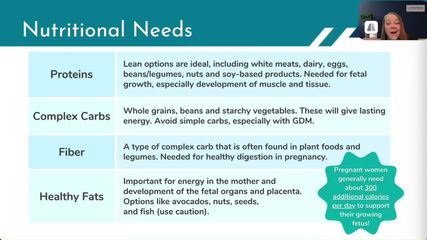
Nutritional in Pregnancy
28.2 Maternal Nutrition & Safety
Additional Info
✓ Nurses should educate clients about the importance of not ignoring constipation symptoms and seeking medical advice if constipation becomes severe or is associated with concerning symptoms like rectal bleeding.
✓ Nurses should conduct a thorough assessment of the pregnant client's bowel habits and history of constipation. This assessment should include the frequency of bowel movements, stool consistency, and any associated symptoms like abdominal pain or bloating.
✓ Adequate fluid intake is crucial for softening stool and preventing constipation. Nurses should encourage pregnant individuals to drink plenty of water throughout the day.