The nurse is teaching a group of pregnant adolescents about making healthier choices when eating fast food.
Which of the following statements by a client indicates a correct understanding of the teaching?
The nurse is teaching a group of pregnant adolescents about making healthier choices when eating fast food.
Which of the following statements by a client indicates a correct understanding of the teaching?
A. “I should eat more sandwiches instead of wraps.”
[50%]
B. “If I order a hamburger, I’ll add cheese to make it more nutritious.”
[43%]
C. “If I eat pizza, I should avoid vegetable toppings to reduce calories.”
[4%]
D. “French fries are healthier than baked potatoes because they’re crispier.”
[3%]
Statistics
Subject/Lesson
Subject
Maternal & Newborn Health
Lesson
Antepartum
Client Need
Test Plan
Health Promotion and Maintenance
Related Topic
Ante/Intra/Postpartum and Newborn Care
Item Type
Item Type
Application
Explanation
Choice B is correct. Adding cheese can increase calcium and protein intake, which is vital for fetal bone development and maternal musculoskeletal health. Adolescents are at increased risk for calcium deficiency due to concurrent bone growth. Cheese also provides vitamin D, phosphorus, and fat-soluble vitamins, contributing positively when balanced with the rest of the meal. This shows the adolescent is considering how to improve the nutritional value of fast food, which is realistic and appropriate.
Choice A is incorrect. Wraps are preferred over sandwiches because they have less breading. Less bread equates to fewer calories.
Choice C is incorrect. This reflects a misunderstanding. Vegetables provide essential nutrients, including fiber, folate, and antioxidants, with minimal calorie impact. Avoiding them reduces the meal's nutritional density, not its calorie burden. Educating clients to add vegetables rather than remove them is more beneficial during pregnancy.
Choice D is incorrect. Crispiness is a subjective sensory trait, not a nutritional benefit. French fries are deep-fried, increasing saturated fat and sodium content. A baked potato—especially with the skin—offers fiber, potassium, and complex carbohydrates, making it healthier.
Related Videos
2 Key Topics
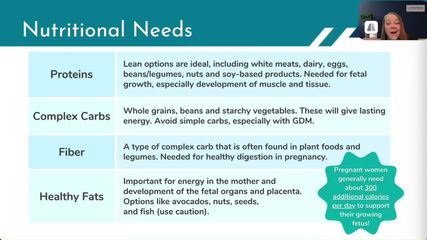
Nutritional in Pregnancy
28.2 Maternal Nutrition & Safety
Additional Info
✓ Adolescent pregnancy presents unique nutritional challenges due to the dual physiological demands placed on a growing teenager and a developing fetus. Unlike adult women, adolescents are often still undergoing physical growth and development, which means their bodies require additional nutrients to support maternal maturation and healthy fetal outcomes.
✓ Nutritional deficiencies are more likely to occur in this population, placing them at greater risk for complications such as low birth weight, preterm birth, iron-deficiency anemia, and delayed maternal growth.
