The nurse in the obstetrics clinic is interviewing a client who is pregnant and reporting nocturnal leg cramps.
The nurse should encourage the client to consume foods rich in
The nurse in the obstetrics clinic is interviewing a client who is pregnant and reporting nocturnal leg cramps.
The nurse should encourage the client to consume foods rich in
A. magnesium.
[59%]
B. iron.
[23%]
C. vitamin c.
[7%]
D. phosphorus.
[11%]
Statistics
Subject/Lesson
Subject
Maternal & Newborn Health
Lesson
Antepartum
Client Need
Test Plan
Health Promotion and Maintenance
Related Topic
Ante/Intra/Postpartum and Newborn Care
Item Type
Item Type
Application
Explanation
Choice A is correct. Leg cramping is common in pregnancy and may occur more in the overnight hours. For a pregnant client endorsing these leg cramps, the client should be instructed to increase their dietary intake of foods rich in vitamin D and magnesium. Foods rich in vitamin D and magnesium include avocados, blackberries, spinach, and collard greens.
Choice B is incorrect. Iron helps prevent iron deficiency anemia, the most common type of anemia in pregnancy. However, food rich in iron will not mitigate the symptoms of leg cramps.
Choice C is incorrect. Vitamin C is helpful in the formation of collagen, tissue integrity, and, to a certain extent, immunity. Vitamin C has no role in preventing and treating leg cramps.
Choice D is incorrect. Phosphorus and calcium have a reciprocal relationship. When phosphorus increases, calcium decreases. Dietary items high in phosphorus include colas, fish, and bran cereals. Leg cramps may also be caused by a client having low serum calcium.
Learning Objective
Correlate a pregnant client's nocturnal leg cramps with the client's need to increase the dietary intake of magnesium and vitamin D.
Related Videos
2 Key Topics
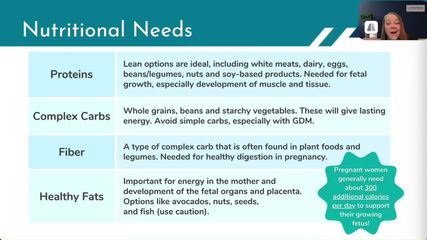
Nutritional in Pregnancy
28.2 Maternal Nutrition & Safety
Additional Info
✓ Nocturnal leg cramping is common in the latter half of pregnancy.
✓ Encouraging a diet rich in magnesium and vitamin D may be helpful.
✓ Other measures to mitigate discomfort include dorsiflexion of the foot, warm showers, increased hydration, and ice massage.
