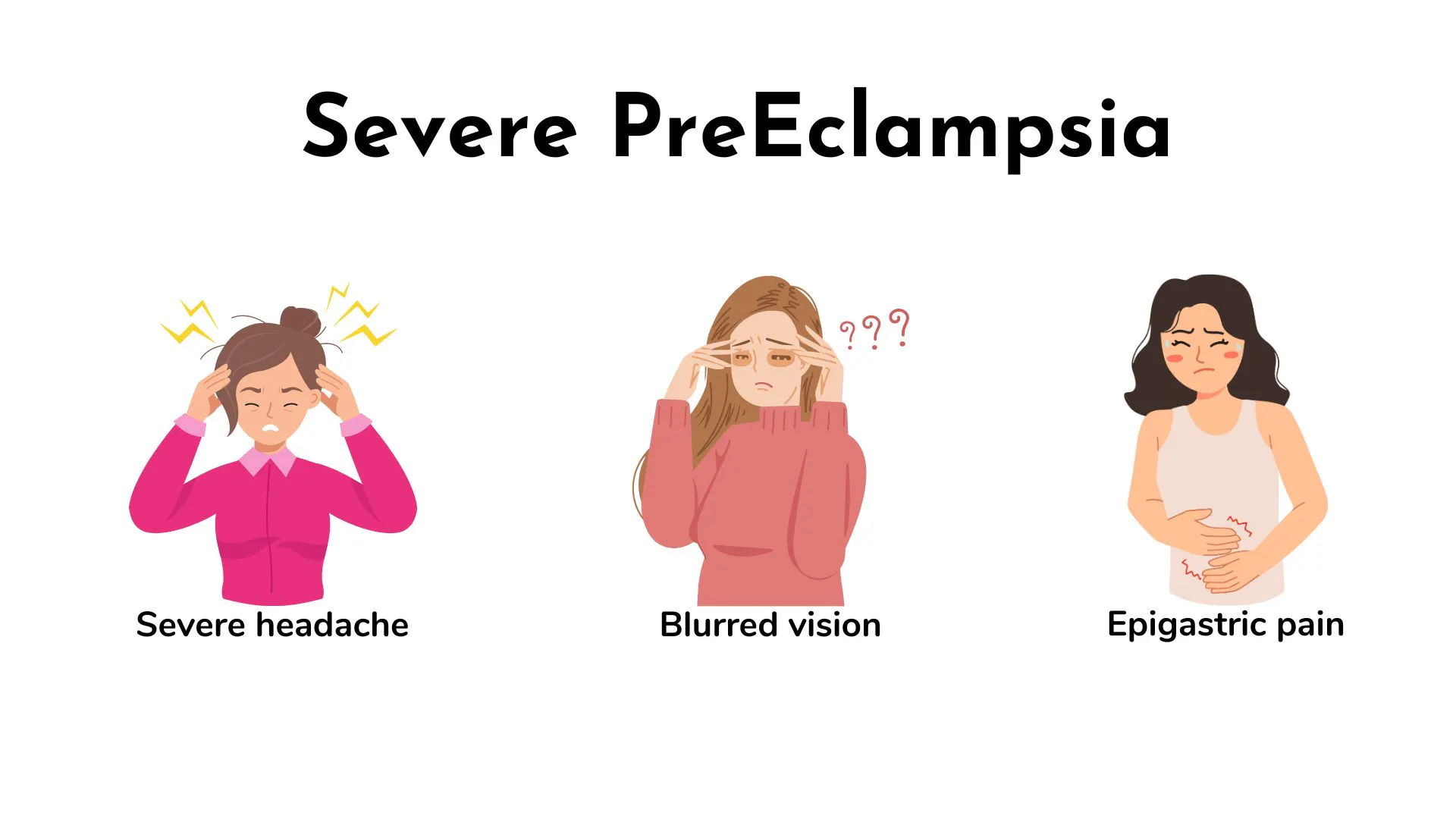
A pregnant client at 37 weeks gestation arrives at the hospital with the following signs and symptoms: severe headache, blurred vision, and epigastric pain not relieved by pain medication. The client's blood pressure is 160/110 mm Hg. The nurse suspects the client is experiencing which condition?
A pregnant client at 37 weeks gestation arrives at the hospital with the following signs and symptoms: severe headache, blurred vision, and epigastric pain not relieved by pain medication. The client's blood pressure is 160/110 mm Hg. The nurse suspects the client is experiencing which condition?
A. Preterm labor
[1%]
B. Ectopic pregnancy
[2%]
C. Severe preeclampsia
[67%]
D. Pre-eclampsia
[30%]
Statistics
Subject/Lesson
Subject
Maternal & Newborn Health
Lesson
Antepartum
Client Need
Test Plan
Reduction of Risk Potential
Related Topic
Potential for Alterations in Body Systems
Item Type
Item Type
Analysis
Explanation
Choice C is correct. Severe preeclampsia is characterized by high blood pressure, proteinuria (presence of protein in urine), and organ dysfunction. It is a serious condition that requires immediate medical intervention to prevent complications for both the mother and the baby.
Severe preeclampsia is diagnosed If one or more of the following criteria are present:
- Blood pressure of ≥160 mm Hg systolic or ≥110 mm Hg diastolic or higher on two occasions at least 6 hr apart while the client is on bed rest
- Oliguria of <500 mL in 24 hr
- Cerebral or visual disturbances
- Pulmonary edema or cyanosis
- Epigastric or right upper quadrant pain
- Impaired liver function as indicated by abnormally elevated blood concentrations of liver enzymes (to twice normal concentration), severe persistent right upper quadrant or epigastric pain unresponsive to medication and not accounted for by alternative diagnoses or both
- Thrombocytopenia
- Renal insufficiency
Choice A is incorrect. Preterm labor refers to the onset of labor before 37 weeks gestation, which is not suggested by the symptoms described.
Choice B is incorrect. Ectopic pregnancy is a condition where the fertilized egg implants outside the uterus, typically in the fallopian tube, but it does not present with the symptoms mentioned and will present much earlier in pregnancy.
Choice D is incorrect. Preeclampsia is classified as:
- Occurring after 20 weeks of pregnancy BP ≥140 mm Hg systolic or ≥90 mm Hg diastolic or higher
- Proteinuria 0.3 g protein or higher in a 24-hour urine specimen or ≥ +1 per dipstick or P/C ratio ≥0.3 mg/dL
Related Videos
2 Key Topics
Preeclampsia
28.5 Infection & Complication Risks
Additional Info
✓ Continuously monitor the fetal heart rate and assess fetal movement. Changes in fetal heart rate or decreased fetal movement may indicate fetal distress.
✓ Implement bed rest and quiet environment: Encourage the client to rest in a quiet, calm environment to minimize stress and reduce blood pressure.
✓ It typically occurs after 20 weeks of gestation but can develop earlier or even postpartum.
✓ Pre-eclampsia affects approximately 5-8% of pregnancies worldwide.
✓ A serious complication of hypertensive disorders in pregnancy is HELLP syndrome, a situation in which a pregnant woman with preeclampsia or eclampsia suffers damage to the liver and blood cells. The letters in the name HELLP stand for the following problems:
- H - Hemolysis, in which oxygen-carrying red blood cells break down
- EL - Elevated Liver enzymes, showing damage to the liver
- LP - Low Platelet count, meaning that the cells responsible for stopping bleeding are low