The nurse has started a prescribed dopamine infusion. The nurse understands that the therapeutic goal of this medication is to
The nurse has started a prescribed dopamine infusion. The nurse understands that the therapeutic goal of this medication is to
A. dilate peripheral blood vessels.
[20%]
B. reduce myocardial oxygen demand.
[11%]
C. enhance sodium and water retention.
[3%]
D. increase cardiac output.
[67%]
Statistics
Subject/Lesson
Subject
Critical Care
Lesson
Critical Care Concepts
Client Need
Test Plan
Pharmacological and Parenteral Therapies
Related Topic
Expected Actions/Outcomes
Item Type
Item Type
Knowledge/Comprehension
Explanation
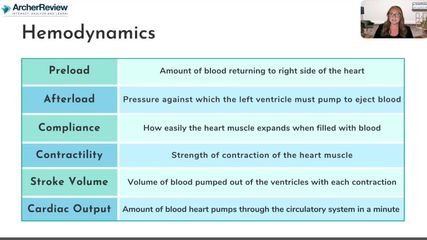
Choice D is correct. Dopamine administration primarily increases cardiac output by enhancing myocardial contractility and stroke volume. This effect helps improve tissue perfusion and blood pressure in conditions of hypotension and shock. Increasing cardiac output is the primary pharmacodynamic effect of dopamine therapy in the acute management of hypotension and shock.
Choice A is incorrect. Dopamine can cause vasodilation at lower doses by acting on dopamine receptors in peripheral blood vessels however, its primary pharmacodynamic effect in the treatment of hypotension and shock is to increase cardiac output.
Choice B is incorrect. Dopamine administration does not directly reduce myocardial oxygen demand. It does increase cardiac output, which may improve tissue perfusion and oxygen delivery, but it does not specifically target myocardial oxygen demand reduction as its primary pharmacodynamic effect in the treatment of hypotension and shock.
Choice C is incorrect. Dopamine administration does not enhance sodium and water retention as its primary pharmacodynamic effect in the treatment of hypotension and shock.
Related Videos
2 Key Topics
Vasoactive Infusions
27.3 Critical Care Cardiovascular System
Additional Info
✓ Dopamine infusion is preferably administered through a central venous catheter to minimize the risk of extravasation and tissue damage. Central venous access allows for rapid infusion rates and precise titration of dopamine, ensuring optimal hemodynamic management. Certain facilities may allow it to be given peripherally for a short period if necessary.
✓ Dopamine infusion rates should be titrated based on the client's hemodynamic response and individualized treatment goals. Close monitoring of the client's blood pressure, urine output, and tissue perfusion is necessary to ensure optimal therapeutic effects and prevent complications such as hypertension or tissue ischemia.
✓ Dopamine is commonly used in critical care settings to manage hypotension and shock.
