The nurse is caring for a client receiving a phenylephrine infusion. Which of the following statements accurately describes the pharmacological action of phenylephrine?
The nurse is caring for a client receiving a phenylephrine infusion. Which of the following statements accurately describes the pharmacological action of phenylephrine?
A. Phenylephrine is a neurotransmitter released by the parasympathetic nervous system, primarily involved in the regulation of heart rate and digestion.
[14%]
B. Phenylephrine is a hormone secreted by the adrenal cortex, primarily responsible for the regulation of blood glucose levels and metabolism.
[7%]
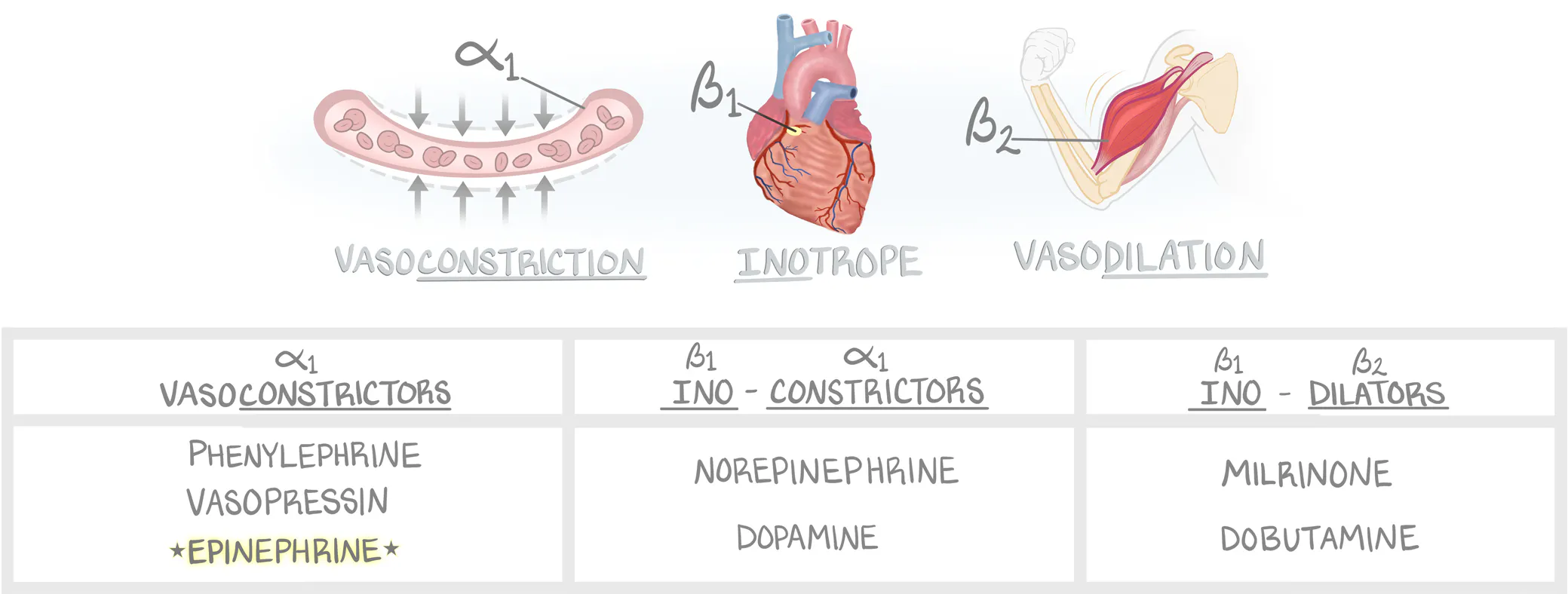
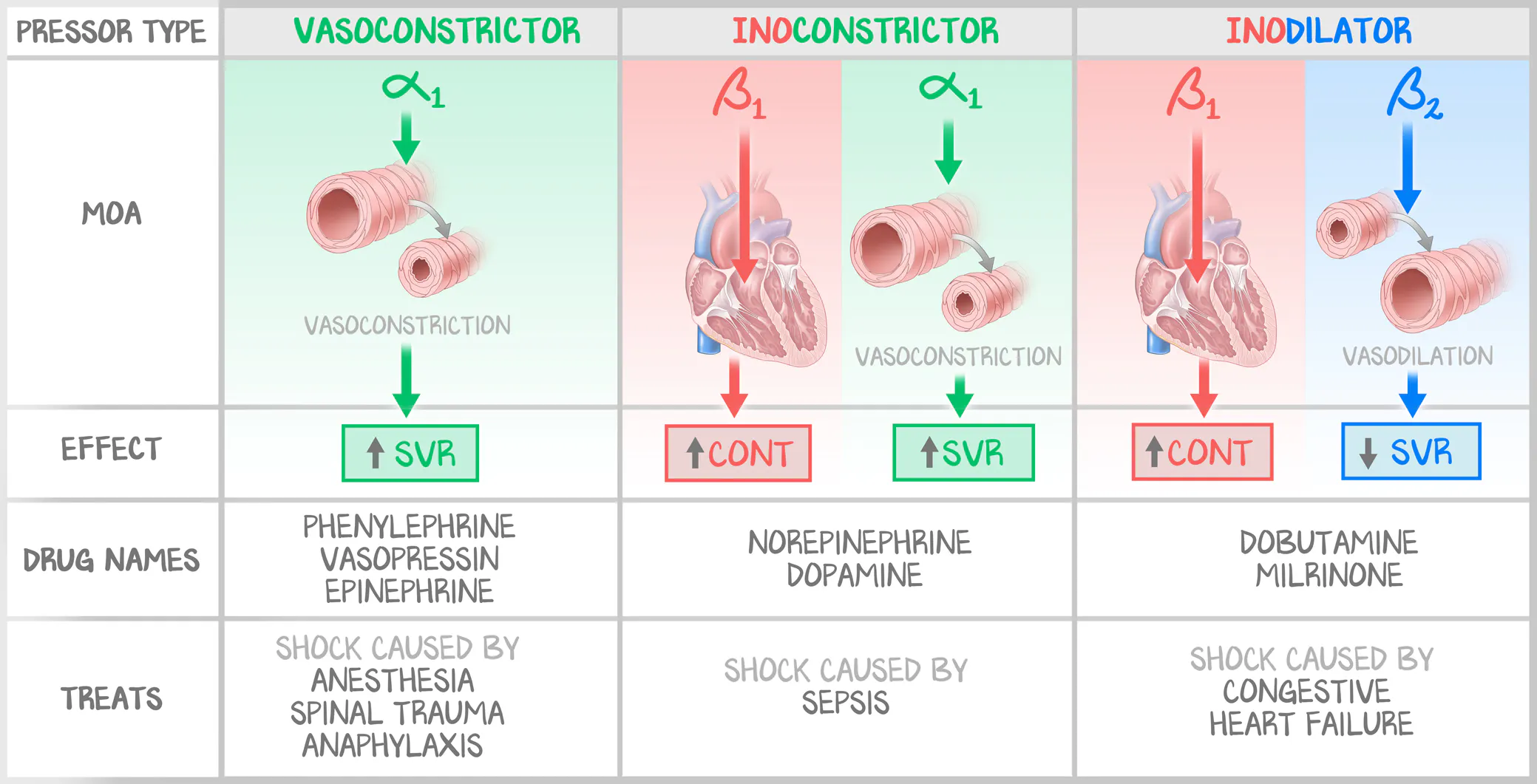
C. Phenylephrine is a sympathomimetic drug that acts as an alpha-adrenergic agonist, causing vasoconstriction and increasing blood pressure.
[70%]
D. Phenylephrine is a hormone produced by the posterior pituitary gland, responsible for water retention and blood pressure regulation.
[9%]
Statistics
Subject/Lesson
Subject
Critical Care
Lesson
Critical Care Concepts
Client Need
Test Plan
Pharmacological and Parenteral Therapies
Related Topic
Expected Actions/Outcomes
Item Type
Item Type
Knowledge/Comprehension
Explanation
Choice C is correct. Phenylephrine is a sympathomimetic drug that acts primarily as an alpha-adrenergic agonist. It causes vasoconstriction by stimulating alpha-adrenergic receptors on blood vessels, leading to an increase in blood pressure.
Choice A is incorrect. Phenylephrine is not a neurotransmitter released by the parasympathetic nervous system, it is a sympathomimetic drug that stimulates the same response in the body as the sympathetic nervous system.
Choice B is incorrect. Phenylephrine is not a hormone secreted by the adrenal cortex, it is a drug that mimics the action of the sympathetic nervous system.
Choice D is incorrect. Phenylephrine is not a hormone produced by the posterior pituitary gland, it is a drug used to increase blood pressure.
Related Videos
2 Key Topics
Critical Care Medications
18.5 Cardiovascular Medications
Additional Info
✓ Phenylephrine is a medication classified as a sympathomimetic agent. It primarily acts as an alpha-adrenergic agonist, causing vasoconstriction and increasing blood pressure. Phenylephrine is commonly used to treat hypotension and shock, particularly in cases where increased systemic vascular resistance is desired.
✓ Phenylephrine infusion can lead to complications such as hypertension, reflex bradycardia, and tissue ischemia. Nurses should monitor for signs of adverse reactions and promptly intervene as needed.
✓ The nurse should monitor the client's vital signs frequently, if not continuously. This includes blood pressure, heart rate, respiratory rate, and oxygen saturation. Phenylephrine can cause rapid changes in hemodynamics, so frequent assessments are essential to promptly detect any adverse reactions.