The nurse is teaching parents about physical growth patterns from infancy into early childhood. Which of the following correctly describes the pattern of growth?
The nurse is teaching parents about physical growth patterns from infancy into early childhood. Which of the following correctly describes the pattern of growth?
A. Growth occurs from the distal to the proximal parts of the body
[14%]
B. Growth occurs from the proximal to the distal parts of the body
[36%]
C. Growth progresses from the head downward in a sequential manner.
[36%]
D. Growth initially occurs most rapidly in the extremities
[13%]
Statistics
Subject/Lesson
Subject
Child Health
Lesson
Growth & Development
Client Need
Test Plan
Health Promotion and Maintenance
Related Topic
Development Stages and Transitions
Item Type
Item Type
Application
Explanation
Choice C is correct. One prominent pattern of physical growth during infancy and early childhood is the cephalocaudal sequence, where growth begins at the head and progresses downward toward the lower body. This sequential development is often referred to as a "head-to-toe" progression and accurately describes the pattern observed in infants and young children.
Choice A is incorrect. Growth occurring from the distal to proximal portions of the body is not a recognized manner or pattern of physical growth or development for any age group, including those ranging from infancy into early childhood.
Choice B is incorrect. Growth occurring from the proximal to the distal portions of the body is not a recognized manner or pattern of physical growth or development for any age group, including those ranging from infancy into early childhood.
Choice D is incorrect. In children ranging in age from infancy to early childhood, growth does not initially occur most rapidly in the child's extremities. The general pattern of development occurs from the head downward through the body.
Learning Objective
Identify cephalocaudal development (i.e., head-to-toe development) as the physical growth pattern for children from infancy into early childhood.
Related Videos
2 Key Topics
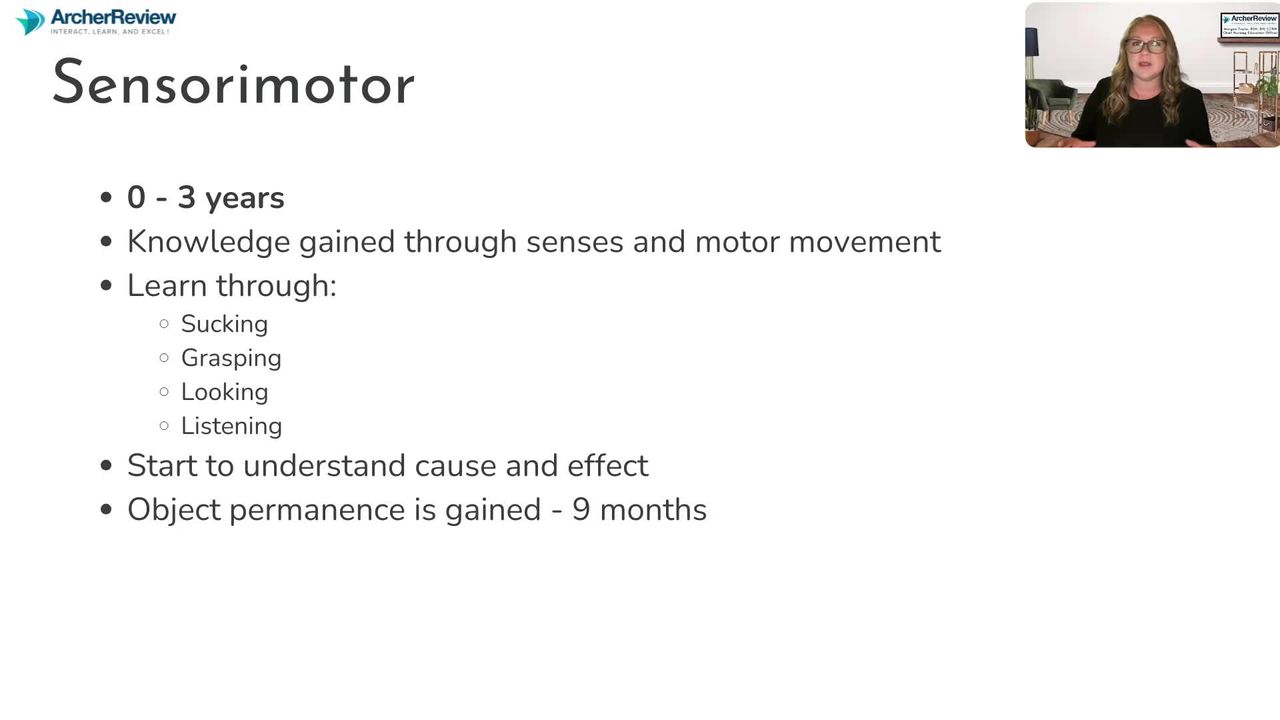
Infant Growth and Development
14.7 Infant Growth and Development
Additional Info
✓ The cephalocaudal principle applies to both physical and functional development. According to this principle, a child gains control of the head first, then the arms, and then the legs.
✓ On average, infants typically experience rapid growth during the first year of life, with the birth weight doubling by about 5-6 months and tripling by the end of the first year. The rate of growth slows down in the second year, with a yearly weight gain of approximately 4-6 pounds (1.8-2.7 kilograms) and a height increase of about 4-6 inches (10-15 centimeters) until early childhood.
✓ Nurses play a crucial role in monitoring the growth and development of infants and young children during routine healthcare visits. Regular assessments of height, weight, head circumference, and developmental milestones help identify any deviations from expected growth patterns and facilitate early intervention if necessary.
