The nurse is caring for a client who has diabetes mellitus.
Which of the following would indicate the client is achieving the treatment goals?
The nurse is caring for a client who has diabetes mellitus.
Which of the following would indicate the client is achieving the treatment goals?
A. Fasting blood glucose 145 mg/dl (8.05 mmol/L) [70-110 mg/dL, 4.0–6.0 mmol/L]
[9%]
B. Creatinine 2.3 mg/dl (203.32 μmol/L) [Male: 0.6-1.2 mg/dL Female: 0.5-1.1 mg/dL, Male 49–93 µmol/L Female 22–75 µmol/L]
[2%]
C. Urine Specific Gravity 1.043 [1.005-1.030]
[4%]
D. Hemoglobin A1C 6.7% [﹤ 7%]
[85%]
Statistics
Subject/Lesson
Subject
Adult Health
Lesson
Endocrine
Client Need
Test Plan
Physiological Adaptation
Related Topic
Illness Management
Item Type
Item Type
Analysis
Explanation
Choice D is correct. The treatment goal for a client with diabetes mellitus is to minimize episodes of hyperglycemia which will then, in turn, reduce the hemoglobin A1C. The treatment goal for a client with diabetes mellitus is to keep the A1C less than 7%.
Choice A is incorrect. A fasting blood glucose level of 145 mg/dL (8.05 mmol/L) is slightly elevated compared to the target range of 70-110 mg/dL (4.0–6.0 mmol/L). While this value is not severely high, it suggests that the client's blood sugar levels might need further adjustment for better control.
Choice B is incorrect. . Creatinine levels are markers of kidney function. The normal range for creatinine varies based on gender, with the specified range for males and females provided. A creatinine level of 2.3 mg/dL (203.32 μmol/L) [Male: 0.6-1.2 mg/dL Female: 0.5-1.1 mg/dL, Male 49–93 µmol/L Female 22–75 µmol/L] is elevated and indicates impaired kidney function, which is not a positive sign for a client with diabetes.
Choice C is incorrect. A urine specific gravity of 1.043 is higher than the normal range (1.005-1.030) and suggests concentrated urine. While concentrated urine can occur due to dehydration, it does not necessarily indicate that the client is achieving treatment goals.
Related Videos
2 Key Topics
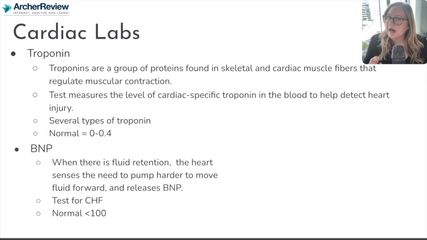
HgA1C
2.3 Cardiac & Endocrine Markers
Additional Info
✓ Client education for a client with diabetes should include –
- A diet with limited simple carbohydrates (refined sugars).
- Blood glucose monitoring and medication administration.
- Sick day rules.
- Laboratory testing to surveil for complications such as diabetic nephropathy.
- Annual vision exams.
- Exercise to maintain a healthy weight and to prevent cardiovascular disease.
✓ Collaborate with a registered dietitian to create a personalized meal plan tailored to the client's dietary preferences and diabetes management goals. Emphasize the significance of balanced nutrition and portion control.
✓ Encourage regular physical activity within the client's capabilities. Physical exercise helps in managing blood sugar levels, improving insulin sensitivity, and promoting overall cardiovascular health.
