The nurse is educating the staff about caring for a client with a pacemaker.
Which of the following topics should the nurse include in the teaching? Select all that apply.
The nurse is educating the staff about caring for a client with a pacemaker.
Which of the following topics should the nurse include in the teaching? Select all that apply.
Statistics
Subject/Lesson
Subject
Adult Health
Lesson
Cardiovascular
Client Need
Test Plan
Reduction of Risk Potential
Related Topic
Potential for Alterations in Body Systems
Item Type
Item Type
Analysis
Explanation
Choice A is correct. Understanding the indications for pacemaker placement helps staff identify clients who may require pacing support, such as those with bradyarrhythmias, heart block, or sinus node dysfunction. Clear knowledge of these indications supports timely intervention and safe care delivery.
Choice B is correct. Recognizing signs and symptoms of a malfunctioning pacemaker, such as dizziness, palpitations, or shortness of breath, enables nurses to respond promptly and seek appropriate medical intervention. Identifying potential issues with the pacemaker's functioning can prevent serious complications and improve client outcomes.
Choice C is correct. Providing information about the various types of pacemakers and their functionalities allows nurses to tailor care to each client's specific device. Different pacemakers, such as single-chamber, dual-chamber, or biventricular pacemakers, serve distinct purposes and address unique cardiac conditions.
Choice E is correct. Regular pacemaker check-ups and follow-up care are essential for monitoring the device's functionality and the client's cardiac status. Scheduled follow-up visits with healthcare providers allow for pacemaker programming adjustments, device interrogation, and assessment of the client's response to the device.
Choice F is correct. Providing guidelines on safe physical activity after pacemaker placement helps prevent lead displacement and promotes recovery. Clients are typically advised to avoid heavy lifting and vigorous arm movements for several weeks, but regular moderate exercise can be resumed under provider guidance.
Choice D is incorrect. Advising clients with pacemakers to avoid all EMFs is incorrect and overly restrictive. Clients should be educated to avoid strong or prolonged exposure to certain EMFs, such as MRI machines or industrial equipment, but most everyday electronics (e.g., microwaves, cell phones used properly) are safe with appropriate precautions.
Related Videos
2 Key Topics
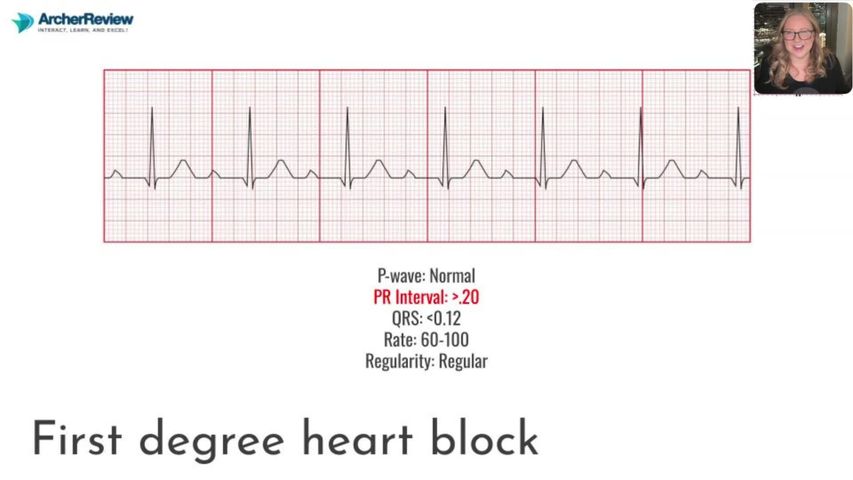
Pacemakers- EKG Interpretation
7.4 Atrioventricular (AV) Blocks & Electrical Conduction
Additional Info
✓ Physical activity and exercise are generally beneficial for individuals with pacemakers, as they can help improve cardiovascular health and overall well-being. Encouraging a sedentary lifestyle could lead to deconditioning and other health complications. The American Heart Association and other reputable medical organizations recommend that individuals with pacemakers engage in moderate exercise and physical activity after appropriate consultation with their healthcare providers.
✓ While some electronic devices can theoretically interfere with pacemakers, the risk of interference from household appliances like microwave ovens and cell phones is minimal. Modern pacemakers are designed with shielding and filtering to minimize the risk of interference from common electronic devices.
✓ While pacemaker clients should be cautious around strong sources of EMFs, such as industrial machinery and large magnets, everyday electronic devices like televisions and computers produce low-level EMFs that are not likely to interfere with modern pacemakers.
✓ Permanent pacemakers are usually powered by a lithium battery and have an average life span of 10 years.
✓ Combination pacemaker/defibrillator devices are also available.
https://app.archerreview.com/test-screen/MjQzMzczNDk=/MTM1ODY=
