The nurse is caring for a client recovering from myocardial infarction who is presenting with a heart rate of 110 beats per minute, a blood pressure of 86/58 mmHg, crackles, shortness of breath, dusky skin, and jugular vein distention. Which action should the nurse recognize as the highest priority?
The nurse is caring for a client recovering from myocardial infarction who is presenting with a heart rate of 110 beats per minute, a blood pressure of 86/58 mmHg, crackles, shortness of breath, dusky skin, and jugular vein distention. Which action should the nurse recognize as the highest priority?
A. Administer medications to increase stroke volume.
[29%]
B. Provide analgesics.
[2%]
C. Obtain a STAT electrocardiogram and troponins.
[35%]
D. Administer fluid replacement to increase blood pressure.
[34%]
Statistics
Subject/Lesson
Subject
Adult Health
Lesson
Cardiovascular
Client Need
Test Plan
Physiological Adaptation
Related Topic
Medical Emergencies
Item Type
Item Type
Analysis
Explanation
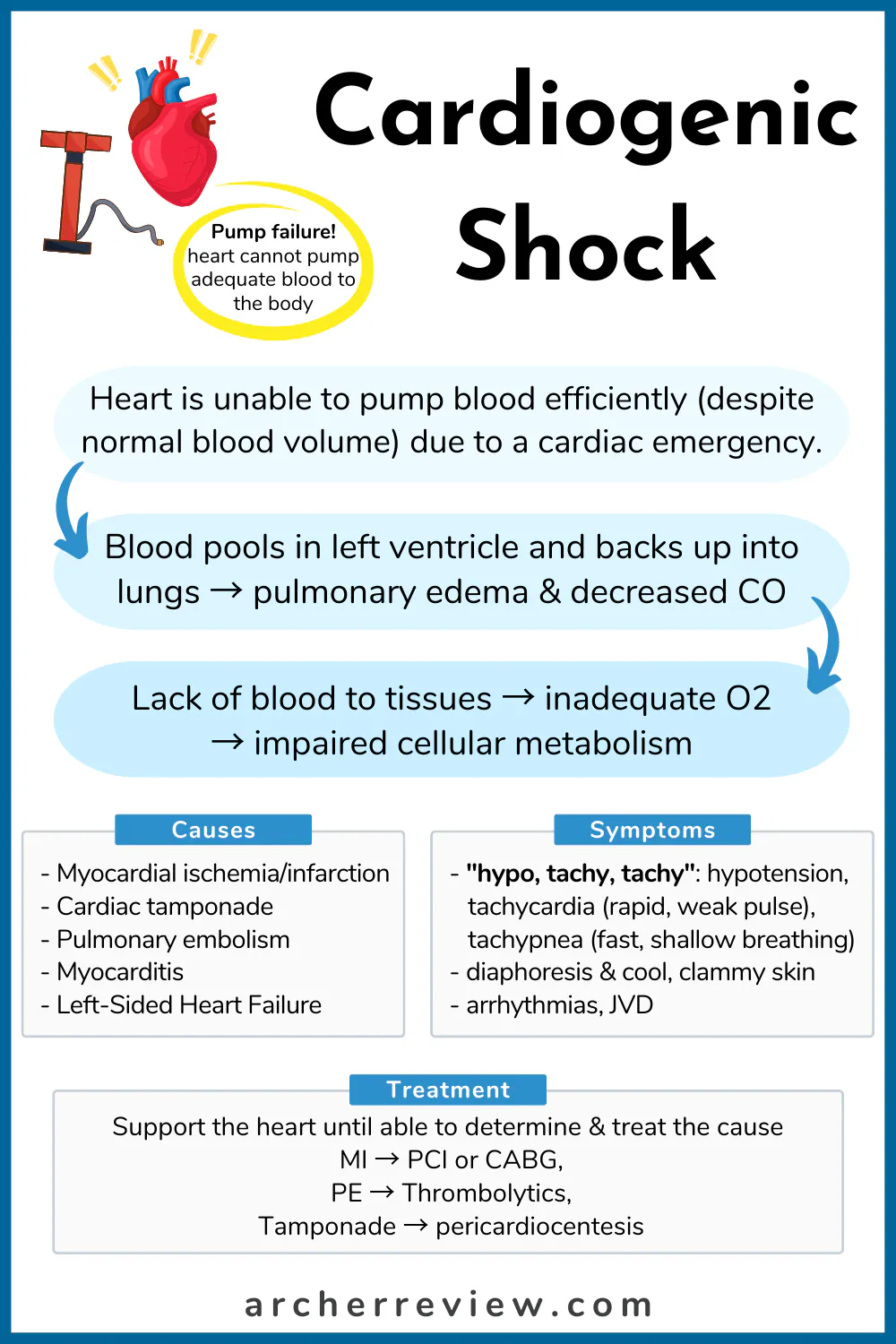
Choice A is correct. Based on the assessment information, the nurse can determine the client is experiencing cardiogenic shock secondary to myocardial infarction. Since cardiogenic trauma occurs as a result of the heart not pumping effectively, the highest priority is to increase cardiac output to ensure adequate tissue perfusion.
Cardiac output = stroke volume x heart rate.
Medications that improve stroke volume will improve cardiac output in cardiogenic shock. The following agents may be used in the pharmacological management of cardiogenic shock:.
- Inotropes: Positive inotropes strengthen heart contractility (increase stroke volume). Dobutamine has more beta-adrenergic action than alpha activity. It causes peripheral vasodilation while increasing contractility. But in higher doses, it may increase heart rate and exacerbate myocardial ischemia.
- Vasopressors: In severe shock, vasopressors (dopamine, norepinephrine) maintain blood pressure but decrease blood flow to organs. They increase afterload and reduce cardiac output. However, they may be needed initially to provide hemodynamic support. Dopamine increases myocardial contractility and maintains blood pressure. If dopamine fails to support blood pressure, norepinephrine is added.
- Vasodilators: Vasodilators (nitroglycerin) decrease venous return (preload) to the heart and decrease peripheral resistance (afterload). Although vasodilators may drop blood pressure, they sustain cardiac output and help achieve hemodynamic stability when combined with vasopressor support in cardiogenic shock. Supplemental oxygen may also be necessary to increase tissue oxygenation.
Choice B is incorrect. There is no assessment information in the question that points to chest pain. If a client in cardiogenic shock is showing signs or complaining of pain, this action would be appropriate but not the highest priority.
Choice C is incorrect. The client recently experienced MI, so they should already be on a telemetry monitor. The ECG will likely be abnormal, and troponins may still be elevated. This action may be appropriate but will not change the immediate treatment of shock, so it would not be the highest priority.
Choice D is incorrect. Fluid replacement is not the correct immediate action because the client is showing signs of pulmonary edema (crackles, shortness of breath, jugular vein distention). Cardiac output needs to be improved before considering the additional fluid volume. This action might be appropriate if the client was in hypovolemic shock, not cardiogenic shock.
Related Videos
7 Key Topics
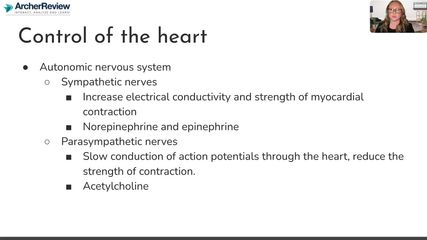
Hemodynamics- Cardiovascular System
18.4 Hemodynamics
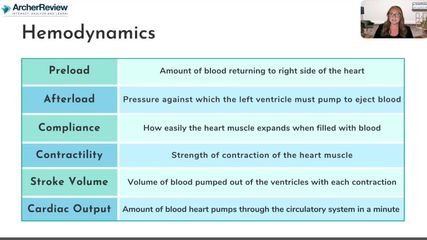
Cardiac Output
27.3 Critical Care Cardiovascular System
Additional Info
Source : Archer ReviewSource : Archer Review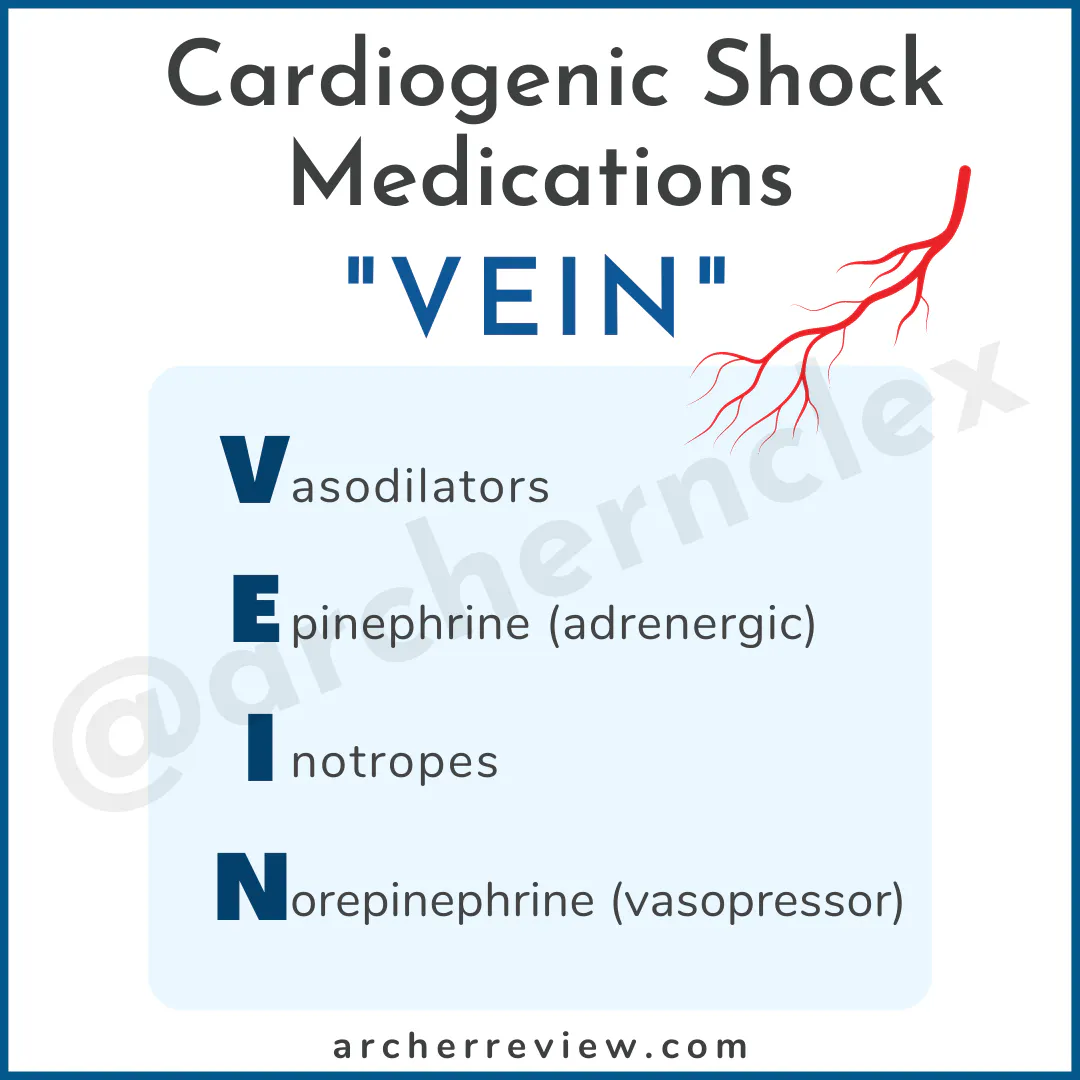 Source : Archer ReviewSource : Archer Review
 Source : Archer Review
